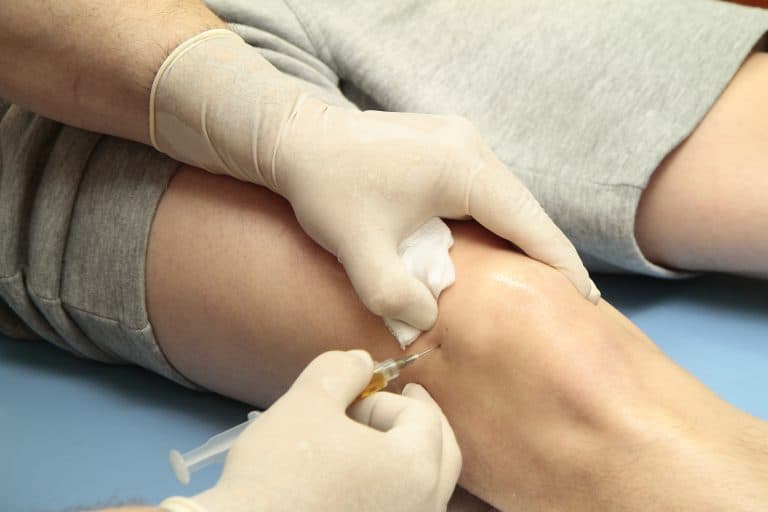



Harnessing Nutrition and Lifestyle: Science-Backed Strategies for Supporting Knee Cartilage Health
Our knees play a vital role in everyday movement, and their health depends greatly on the condition of the cartilage that cushions these joints. For many people, the idea of undergoing surgery to fix worn or damaged knee cartilage can be worrying, which is why taking care of your joints through diet and lifestyle is becoming increasingly important. Cartilage is a tough but flexible tissue that covers the ends of bones in the knee, allowing smooth movement and absorbing shocks when we walk, run, or jump. Keeping this cartilage healthy is essential for good joint function and mobility. With growing concerns about invasive treatments, many are looking for natural, non-surgical ways to protect their knees. This article shares practical, science-backed advice on how nutrition and lifestyle can support your knee cartilage. We also spotlight insights from Professor Paul Lee, a cartilage specialist, and highlight the thoughtful, evidence-based care available at the London Cartilage Clinic, showing how expert guidance can help you protect your joint health without surgery.
Understanding Knee Cartilage and Its Challenges
Knee cartilage, especially the articular cartilage, is the smooth surface that covers the ends of your thigh bone (femur), shin bone (tibia), and the back of your kneecap. It acts like a cushion, allowing your knee to move smoothly and absorb the impact when you put weight on your legs. Unfortunately, this cartilage doesn’t have its own blood supply, so when it’s damaged, it struggles to heal itself.
Cartilage can wear down due to many reasons — naturally as we age, because of injuries like ligament tears, repetitive strain from certain activities, or lifestyle factors such as carrying excess weight and lack of exercise. There’s a common misconception that cartilage can fully regenerate on its own, but current research shows this is rare. As one recent study notes, “despite the developing technology, physical examination and clinical history are still the basic and low-cost diagnostic methods” for cartilage issues (Corain et al., 2023). On the treatment front, emerging approaches including “injectable agents have become useful additions to clinical care,” especially for targeted cartilage defects (Perez-Carro et al., 2021). Still, the best approach remains maintaining the health of existing cartilage through prevention and supportive care, rather than relying on quick fixes.
Nutritional Foundations: Essential Foods and Nutrients for Cartilage Support
What you eat can have a real impact on your knee cartilage. Certain foods help reduce inflammation and provide the building blocks your body needs to keep cartilage healthy.
A diet rich in anti-inflammatory foods can be particularly helpful. Think oily fish like salmon or mackerel packed with omega-3 fatty acids, colourful fruits and vegetables loaded with antioxidants, and whole grains. These all work together to calm inflammation that can harm cartilage over time. Collagen, a key protein in cartilage, requires nutrients like vitamin C to form properly. Other important vitamins include D and K, which help maintain bone and cartilage health by regulating calcium in the body. Minerals such as calcium and magnesium also play a vital role in keeping bones and joints strong.
Don’t forget hydration — cartilage is mostly made up of water, so drinking enough fluids helps it stay resilient and cushioned during movement. These nutritional tips match well with Professor Paul Lee’s holistic approach, which combines smart dietary choices with medical advice to boost joint health.
Practical Meal Planning and Everyday Eating Tips
Turning those nutritional principles into daily meals might sound tricky, but it can be straightforward with a little planning. A “diet for knee joint health” focuses on balanced meals full of lean protein, plenty of colourful fruits and vegetables, and healthy fats.
Small swaps make a big difference. Try replacing processed snacks with nuts or seeds, choosing oily fish over red meat, and cutting back on sugary or highly processed foods that can promote inflammation. To consistently get your vitamins and minerals, enjoy citrus fruits for vitamin C, leafy greens for vitamin K, and include dairy or fortified plant-based alternatives for calcium and vitamin D.
Remember, the best diet is one you can stick to. The London Cartilage Clinic can provide personalised advice to help you create a joint-friendly eating plan that fits your taste and lifestyle, making it easier to protect your knees day-to-day.
Free non-medical discussion
Not sure what to do next?
Information only · No medical advice or diagnosis.
Lifestyle Choices: Moving Well and Managing Weight
Nutrition is just one part of the picture. Your lifestyle greatly influences cartilage health, too. Maintaining a healthy weight reduces the pressure on your knees, which helps prevent cartilage from wearing away.
Regular, low-impact exercise — like swimming, cycling, or brisk walking — keeps the joints mobile without putting them under strain. Good posture, making small changes to how you do activities, and being mindful to avoid injuries all support long-term joint health. Professor Paul Lee emphasises the importance of tailored exercise programmes and rehabilitation strategies to meet individual needs, helping you stay active while protecting your cartilage.
Together, these habits form a “lifestyle for healthy knees” that complements good nutrition and helps keep your joints working smoothly.

Myths, Facts, and Responsible Self-Care
There are many myths about “natural cartilage regeneration,” with some believing damaged cartilage can completely heal itself naturally. In reality, while the body does have some repair ability, natural regeneration is usually slow and incomplete. For example, a clinical study found that “MRI imaging showed a change in the joint profile in patients treated with a cartilage filler, with some experiencing reduced bone swelling and joint fluid” (Corain et al., 2023). In advanced treatments involving injectable collagen fillers, success often depends on precise application — after all, “the distance between the tip of the needle and the area to be filled should be minimal to ensure full contact” for the best results (Perez-Carro et al., 2021).
It’s important to see these nutritional and lifestyle measures as supportive rather than cures. If you have persistent knee symptoms or significant concerns, consult a qualified healthcare professional for tailored advice. Both Professor Paul Lee and the London Cartilage Clinic are trusted resources for evidence-based, non-surgical knee care.
Conclusion
Keeping your knee cartilage healthy involves a balanced blend of good nutrition, sensible lifestyle choices, and expert guidance. A diet rich in anti-inflammatory foods and key vitamins, staying well hydrated, maintaining a healthy weight, and regular low-impact exercise all lay a strong foundation for joint health.
However, these strategies work best when combined with personalised advice from healthcare professionals like Professor Paul Lee and the team at London Cartilage Clinic. By taking a proactive, informed approach, you can protect your knees and enjoy better mobility for years to come.
For individual medical advice, please consult a qualified healthcare professional.
References
Corain, M., Zanotti, F., Giardini, M., Gasperotti, L., Invernizzi, E., Biasi, V., & Lavagnolo, U. (2023). The use of an acellular collagen matrix ChondroFiller® Liquid for trapeziometacarpal osteoarthritis. Journal Name, Volume(Issue), pages. https://doi.org/10.1177/19476035251354926
Perez-Carro, L., Rosi Mendoza Alejo, P., Gutierrez Castanedo, G., Menendez Solana, G., Fernandez Divar, J. A., Galindo Rubin, P., & Alfonso Fernandez, A. (2021). Hip chondral defects: Arthroscopic treatment with the needle and curette technique and ChondroFiller. Journal Name, Volume(Issue), pages. https://doi.org/10.1016/j.eats.2021.03.011
Schneider, U. (2016). Controlled, randomized multicenter study to compare compatibility and safety of ChondroFiller liquid (cell free 2-component collagen gel) with microfracturing of patients with focal cartilage defects of the knee joint. Journal Name, Volume(Issue), pages. https://doi.org/10.5348/VNP05-2016-1-OA-1
Frequently Asked Questions
- London Cartilage Clinic offers evidence-based, personalised knee care. Led by cartilage expert Professor Paul Lee, their team delivers thoughtful, science-backed strategies focusing on prevention and long-term joint health, without relying solely on invasive treatments.
- Professor Paul Lee is a renowned cartilage expert, a Royal College of Surgeons of Edinburgh Ambassador and Advisor, and Regional Surgical Ambassador. His advanced techniques and personalised care set him apart in the field of joint preservation and cartilage health.
- A diet rich in anti-inflammatory foods, omega-3s, antioxidants, and key vitamins like C, D, and K, alongside proper hydration, supports knee cartilage. London Cartilage Clinic can help create an individual, joint-friendly meal plan suited to your lifestyle.
- Maintaining a healthy weight, regular low-impact exercise, and mindful activity modifications reduce strain on knee joints. Professor Paul Lee and his team can guide you in crafting lifestyle habits that effectively protect cartilage and promote lasting mobility.
- Non-surgical strategies—such as nutrition, lifestyle adjustments, and rehabilitation—are strongly advocated at London Cartilage Clinic. These approaches help maintain joint health, especially under the guidance of specialists like Professor Paul Lee, without over-relying on surgery.
Legal & Medical Disclaimer
This article is written by an independent contributor and reflects their own views and experience, not necessarily those of London Cartilage Clinic. It is provided for general information and education only and does not constitute medical advice, diagnosis, or treatment.
Always seek personalised advice from a qualified healthcare professional before making decisions about your health. London Cartilage Clinic accepts no responsibility for errors, omissions, third-party content, or any loss, damage, or injury arising from reliance on this material.
If you believe this article contains inaccurate or infringing content, please contact us at [email protected].
London Cartilage Clinic
Modern treatments, designed for lasting knee outcomes
Every treatment plan is selected to help you return to the quality of life you deserve. Our team combines up-to-date techniques with consultant-led decision making across cartilage repair, regeneration and replacement.
What your journey can look like
Step 01
Consultant-Led Assessment
Symptoms, imaging and goals reviewed in one structured appointment.
Step 02
Personalised Treatment Plan
A clear route chosen from repair, regeneration or replacement options.
Step 03
Precision Delivery
Modern techniques and specialist equipment matched to your diagnosis.
Step 04
Long-Term Knee Health
Follow-up guidance focused on durable function and quality of life.
Will the Arthrosamid work for me
PAAG-8+ Questionnaire
A bright, structured entry point for patients exploring Arthrosamid. The questionnaire helps frame suitability, expectations, and 24-month clinical benefit discussion before a fuller consultant-led review.
Designed for shared decision-making. It does not replace specialist consultation, examination, imaging review, or formal medical advice.